5 Factors That Determine the Lifespan of Your Residential Roof
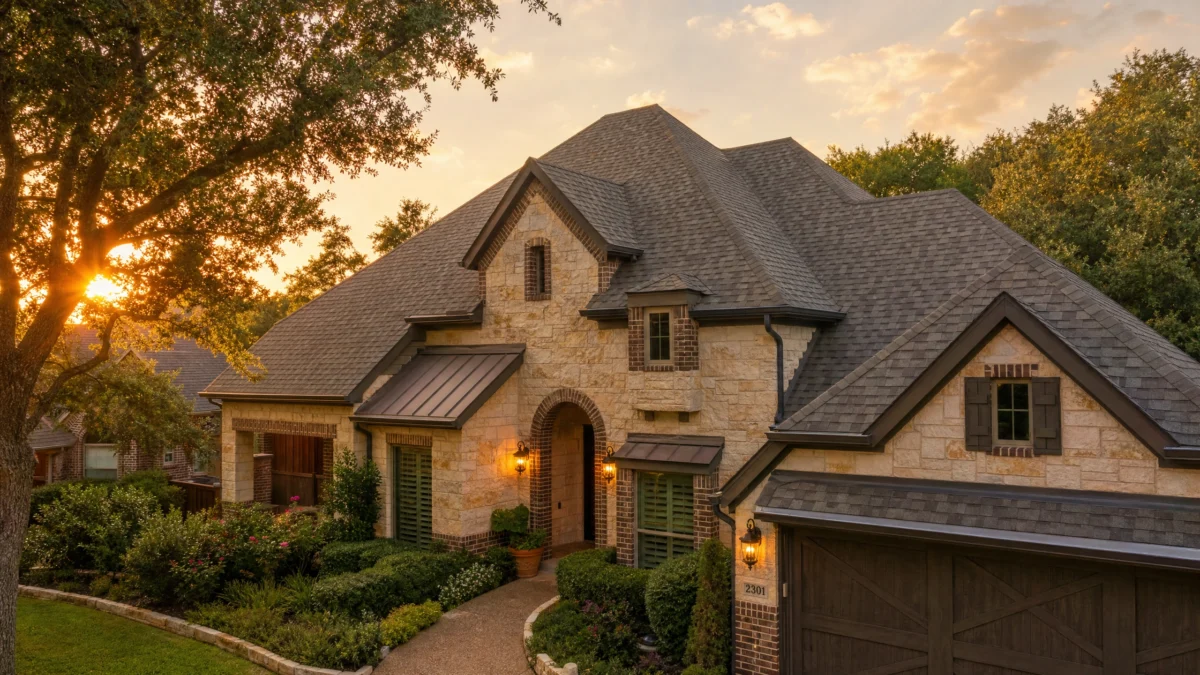
When investing in a new roof, one of the most common questions homeowners ask is, “How long will this last?” While manufacturers provide estimated lifespans for their products, the actual longevity of a residential roof is not a fixed number. It is a dynamic outcome influenced by a combination of material choices, environmental conditions, and ongoing care. Understanding the key factors that determine the lifespan of your roof can help you maximize your investment and avoid premature failure.
Factor 1: Material Quality
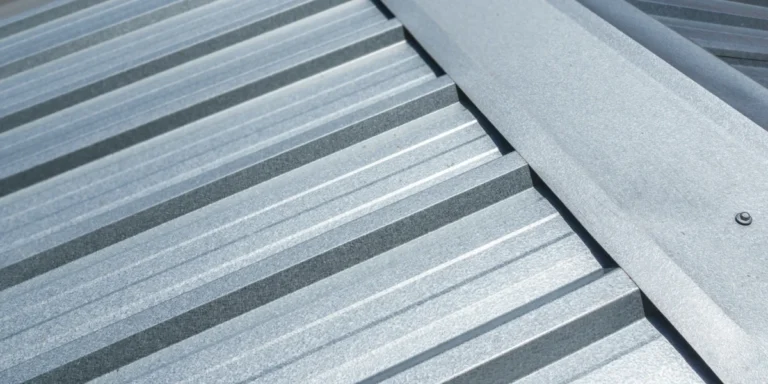
The foundational element of roof longevity is the quality of the materials selected. Not all shingles or metal panels are created equal. Builder-grade asphalt shingles, while cost-effective initially, generally have a shorter lifespan than premium, architectural shingles designed with enhanced durability and weather resistance. Similarly, the gauge and coating of metal roofing significantly impact its ability to resist rust and impact damage. Investing in high-quality materials from reputable manufacturers is the first step toward a long-lasting roof.
Factor 2: Installation Expertise
Even the highest quality materials will fail prematurely if they are not installed correctly. The skill and expertise of the roofing contractor are paramount. Proper installation ensures that shingles are nailed securely, flashing is integrated flawlessly around penetrations, and underlayment provides a continuous waterproof barrier. Errors such as improper nail placement or inadequate sealing can lead to leaks and structural damage long before the materials themselves degrade. Relying on experienced professionals like Alpine Roofing Construction guarantees that the professional roof installation installation meets strict industry standards.
Factor 3: Attic Ventilation
Proper attic ventilation is a critical, yet frequently overlooked, component of roof health. A well-designed ventilation system balances intake and exhaust, allowing continuous airflow beneath the roof deck. Without adequate ventilation, extreme heat builds up in the attic during the summer, essentially baking the shingles from the inside out and accelerating their deterioration. Furthermore, poor ventilation traps moisture generated from inside the home, which can lead to wood rot and mold growth on the roof decking, compromising the entire system’s integrity.
Factor 4: Local Climate
The environment in which a home is located plays a massive role in how long its roof will endure. In the Dallas/Fort Worth area, roofs are subjected to a harsh and variable climate. Intense summer heat and high UV exposure can cause asphalt shingles to dry out, become brittle, and lose their protective granules. Additionally, the region’s severe spring storms, characterized by high winds and hail, can cause immediate physical damage. A roof in a temperate, stable climate will naturally outlast the same roof exposed to extreme weather fluctuations.
Factor 5: Maintenance
A roof is not a “set it and forget it” component of a home. Regular maintenance is essential to achieving its maximum lifespan. This includes keeping gutters and downspouts clear of debris to prevent water backup, trimming overhanging tree branches that can scrape against the roofing surface, and scheduling periodic professional inspections. Catching and repairing minor issues, such as a cracked sealant or a lifted shingle, prevents them from escalating into major problems that could require a premature roof replacement.
Conclusion
The lifespan of your residential roof is determined by a combination of quality materials, expert installation, proper ventilation, environmental factors, and diligent maintenance. By understanding these variables and partnering with a trusted contractor like Alpine Roofing Construction, homeowners can ensure their roof provides reliable protection for decades. Get directions to our office to speak with our team.