What Is the Best Low-Slope Roofing System
The best low-slope roofing system for a commercial building in Dallas depends on the facility, roof design, drainage, budget, expected foot traffic, and long-term performance goals. TPO, PVC, EPDM, modified bitumen, and built-up roofing can all be effective options. For many large commercial properties, the right choice balances durability, drainage, energy efficiency, maintenance requirements, and resistance to North Texas weather.
With more than 25 years of commercial roofing experience, Alpine Roofing Construction helps building owners, facility managers, developers, and property managers choose roofing systems based on the needs of the entire facility, not simply the roofing material. Alpine works with low-slope and flat roofing systems for demanding commercial properties, including retail centers, industrial facilities, hospitals and medical facilities, hotels, entertainment districts, multi-use developments, treatment plants, historical structures, and multi-family properties. From evaluating existing roof conditions to selecting materials, insulation, drainage, and installation methods, Alpine takes a solutions-focused approach designed to provide dependable, long-term performance.
Choosing the Right Commercial Low-Slope Roofing System in Dallas
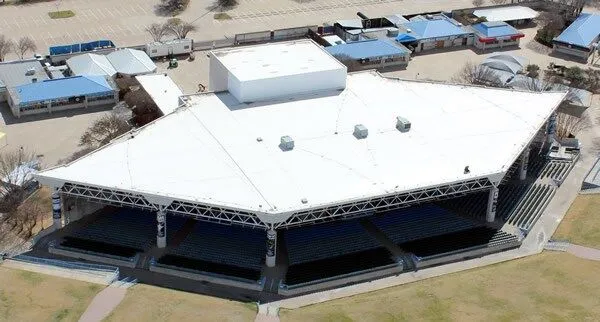
Low-slope roofs require a different approach than steep-slope roofs because they rely heavily on weatherproof membranes and properly designed drainage. The National Roofing Contractors Association (NRCA) generally classifies low-slope roofing as weatherproof roof systems installed at slopes of 3:12 or less.
For commercial buildings in Dallas-Fort Worth, system selection should also account for local weather. National Weather Service climate normals show DFW receives about 37 inches of precipitation annually and averages approximately 20 days at or above 100 degrees each year. Those conditions make heat performance, drainage, membrane durability, and ongoing maintenance important considerations when specifying a commercial roof.
What Are the Best Types of Low-Slope Roofing for Commercial Buildings?
There is no single roofing material that is best for every commercial property. The strongest choice is the system that matches the building’s design, operations, exposure, and long-term ownership plans.
Common options include:
- TPO roofing: Thermoplastic polyolefin is a popular single-ply membrane offering durability, flexibility, and reflective options. It can be mechanically attached or fully adhered and is frequently considered for large commercial roofs.
- PVC roofing: PVC is another single-ply membrane system that provides durable protection for low-slope commercial roofs. Its characteristics can make it worth evaluating for facilities with specialized operating conditions.
- EPDM roofing: This flexible synthetic rubber membrane has a long history in commercial roofing and can provide reliable performance when properly designed, installed, and maintained.
- Modified bitumen: Modified bitumen combines asphalt with polymers to enhance performance. Its multi-layer approach can be valuable for commercial roofs where durability and resistance to roof traffic are important.
- Built-up roofing (BUR): BUR systems use multiple layers of reinforcing material and bitumen to create a durable roofing assembly. They remain an option for commercial and institutional properties requiring a proven multi-layer system.
The right answer should come from a roof assessment rather than selecting a system based on popularity alone.
Is TPO a Good Choice for Large Commercial Buildings in Dallas?
TPO can be an excellent option for many large commercial facilities, particularly when energy performance, weight, and efficient installation are priorities.
Reflective roofing deserves consideration in the North Texas climate. According to the U.S. Department of Energy, cool roofs reflect more sunlight and absorb less solar energy than conventional roofs. DOE research has found that cool roofs in warm or hot climates can reduce annual air-conditioning energy use for some single-story buildings by up to 15 percent.
That does not mean every Dallas building should automatically receive a white TPO roof. A commercial roofing contractor should evaluate factors such as:
- Existing roof deck and assembly
- Insulation requirements
- Roof size and configuration
- Drainage
- Rooftop equipment and penetrations
- Expected roof traffic
- Building use
- Installation requirements
- Long-term maintenance plans
- Manufacturer warranty requirements
For a large warehouse, hospital, retail center, hotel, or mixed-use property, those considerations can be just as important as the membrane itself.
Why Is Drainage So Important on a Low-Slope Commercial Roof?
Effective drainage is essential because low-slope roofs do not shed water as quickly as steep roofs. The roof assembly must be designed so water can move efficiently toward drains, scuppers, gutters, or other drainage components.
NRCA recommends that membrane roof systems be sloped to provide positive drainage. On a large commercial property, drainage problems can contribute to ponding water and place unnecessary stress on the roofing system.
Drainage planning may involve more than the membrane. A commercial roofing evaluation can consider tapered insulation, roof drains, scuppers, gutters, downspouts, penetrations, flashing, and other components as one integrated system.
This is particularly relevant in DFW, where the National Weather Service reports annual normal precipitation of 37.01 inches. May alone averages 4.78 inches of rainfall, making proper water management an important part of commercial roof design.
How Should Facility Managers Compare Low-Slope Roofing Systems?
Facility managers should compare low-slope roofing systems based on total performance and lifecycle value, not simply initial installation price.
Before selecting a system, ask:
- How well is the existing roof draining?
- What condition are the deck and insulation in?
- How much rooftop traffic will the system experience?
- Are there numerous HVAC units, vents, or other penetrations?
- How important is solar reflectivity to the facility?
- What maintenance will the system require?
- What warranty options are available?
- How will installation affect ongoing building operations?
- Is the facility expected to remain in service for decades?
- Can the existing roof be restored, or is replacement the better long-term investment?
For major commercial facilities, the lowest initial bid does not necessarily represent the lowest long-term roofing cost. Installation quality, system compatibility, maintenance, repairability, and expected service life should all factor into the decision.
When Should a Low-Slope Commercial Roof Be Replaced?
A low-slope commercial roof should be evaluated for replacement when recurring leaks, widespread membrane deterioration, damaged insulation, drainage problems, or repeated repairs indicate that localized fixes are no longer addressing the underlying problem.
Replacement is not always necessary. Depending on the roof’s condition, targeted repairs, restoration, or a roof coating may extend its useful life. A professional inspection can help determine whether continued repair, restoration, or full replacement offers the strongest long-term value.
Choose a Low-Slope Roofing System Built for Your Commercial Property
Choosing a low-slope commercial roof is a long-term investment in the building itself. For large and complex facilities, the right solution should account for roofing materials, insulation, drainage, penetrations, weather exposure, maintenance, warranties, and ongoing building operations.
Ready to determine the right low-slope roofing solution for your commercial property? Contact Alpine Roofing Construction to schedule a consultation.