What Should a Commercial Roof Inspection Include Before Winter in Dallas-Fort Worth?
A commercial roof inspection before winter in Dallas-Fort Worth should evaluate the roof membrane, seams, flashing, drainage systems, rooftop equipment, and signs of existing moisture damage. Inspectors should also identify loose materials, deteriorating sealants, and areas where water may collect. Addressing these conditions before freezing temperatures and winter precipitation arrive can help commercial property owners reduce the risk of unexpected roofing problems.
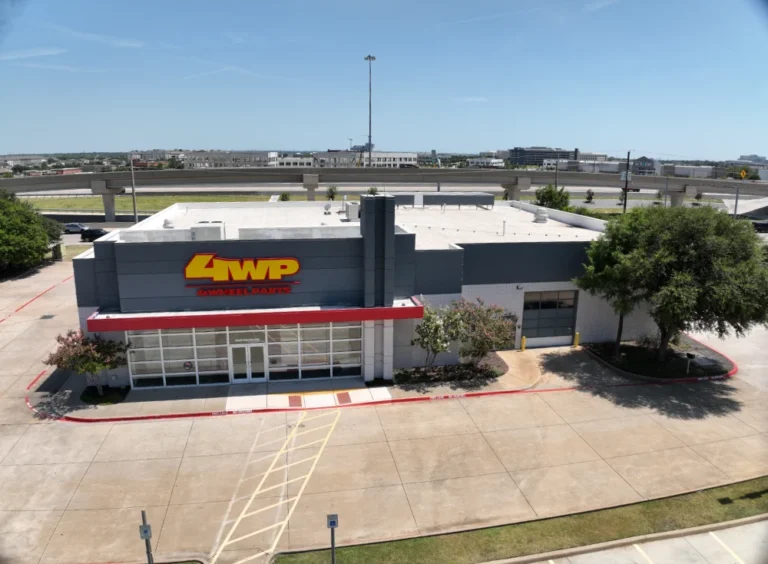
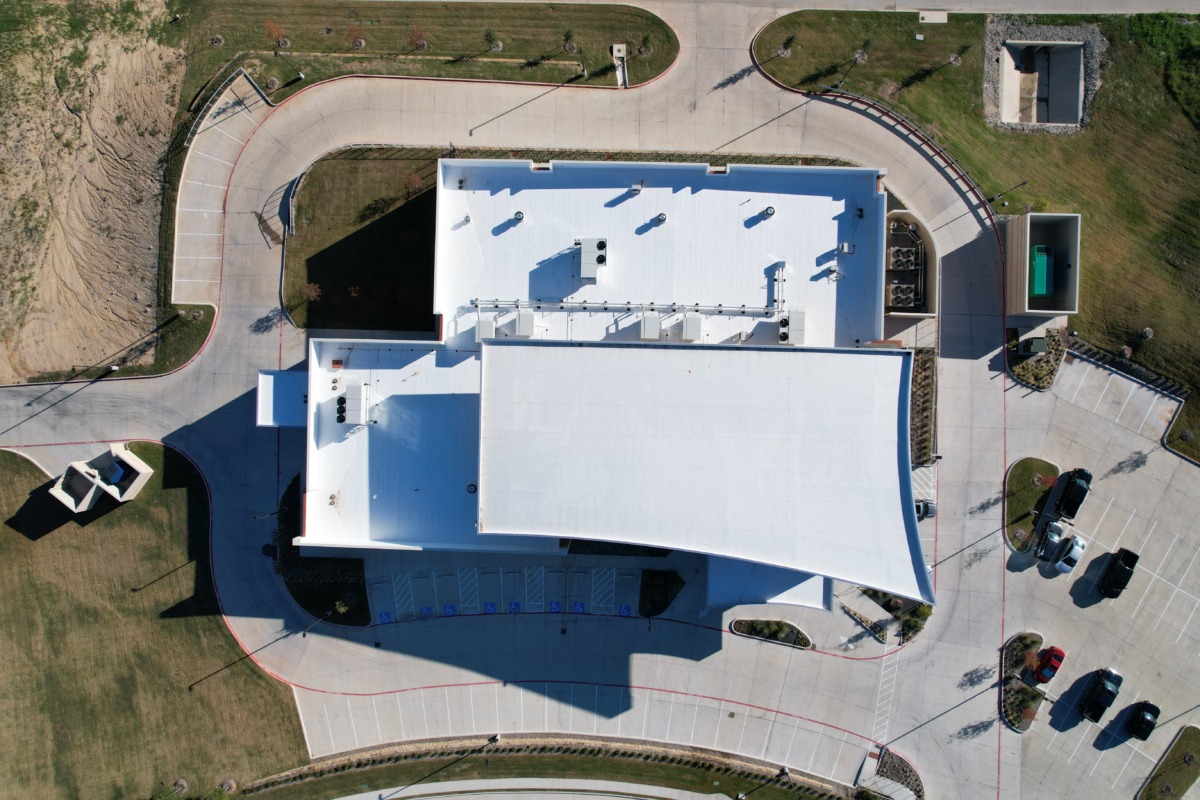
Alpine Roofing Construction understands the challenges commercial buildings face throughout North Texas. From intense summer heat and severe thunderstorms to occasional freezing temperatures, local weather can place significant stress on commercial roofing systems. With experience in commercial roof installation, repair, and maintenance, Alpine Roofing Construction helps property owners and facility managers make informed decisions about protecting their buildings. Whether a property has a TPO membrane, metal roofing system, or another commercial roofing material, a professional inspection can identify conditions that deserve attention before winter. Taking a proactive approach also gives building owners time to prioritize repairs, plan maintenance, and avoid unnecessary disruptions to daily operations.
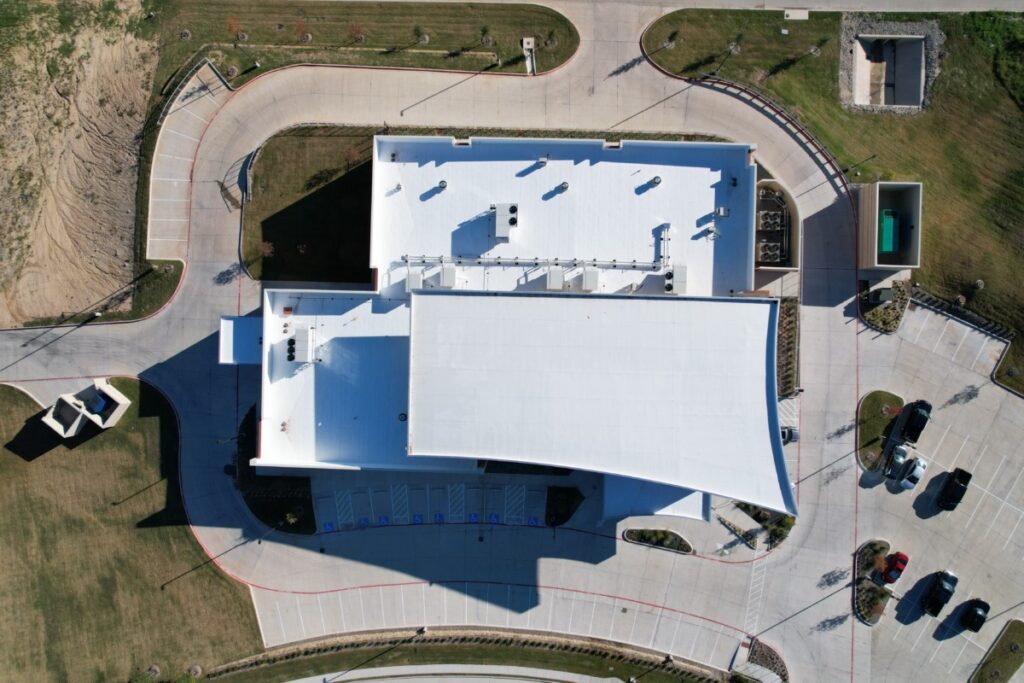
Essential Commercial Roof Maintenance Before North Texas Winter Weather
Commercial roof inspections should focus on components most likely to allow water intrusion or experience problems during changing weather conditions.
Although Dallas-Fort Worth generally experiences milder winters than northern regions, sudden cold fronts, freezing rain, and occasional ice storms can create challenges for commercial buildings. Roof systems already weakened by summer heat, foot traffic, or previous storms may be particularly vulnerable.
A comprehensive pre-winter inspection should address the following areas.
What Roofing Materials and Seams Should Be Inspected?
Roof membranes and seams should be evaluated for visible deterioration, damage, and potential openings where moisture could enter.
Many commercial buildings in Dallas-Fort Worth use low-slope roofing systems, including TPO and EPDM membranes. These materials are designed to provide weather protection, but their performance depends on proper installation, maintenance, and the condition of individual components.
During an inspection, roofing professionals may look for:
- Punctures, tears, or cuts in the roof membrane
- Open or deteriorating seams
- Loose or displaced roofing materials
- Blistering, wrinkles, or other unusual surface conditions
- Previous repairs showing signs of deterioration
- Damage caused by rooftop equipment servicing or foot traffic
For metal roofing systems, inspectors may also evaluate panel connections, fasteners, sealants, and areas where different materials meet.
Property owner tip: Keep records of previous roof repairs and inspections. This information helps roofing professionals identify recurring problems and determine whether existing conditions have changed.
Why Is Roof Drainage Especially Important Before Winter?
Proper drainage helps prevent water from accumulating on commercial roofs, particularly during periods of heavy precipitation.
Low-slope commercial roofs are designed to direct water toward drains, scuppers, or other drainage components. However, leaves, dirt, roofing debris, and other materials can restrict water flow.
During a pre-winter inspection, roofing professionals should evaluate:
- Primary roof drains and strainers
- Scuppers and overflow drainage provisions
- Gutters and downspouts
- Areas where water regularly collects
- Debris buildup around drainage openings
Standing water can increase the load on a roof and contribute to deterioration when drainage problems remain unresolved. During freezing weather, accumulated water may also turn into ice.
According to the National Roofing Contractors Association (NRCA), regular roof inspections and maintenance are important components of responsible commercial roof management.
Property owner tip: Schedule drainage inspections after significant leaf accumulation and before forecasted winter precipitation. Keep roof cleaning and drainage work in the hands of qualified personnel.
How Are Flashings and Roof Penetrations Checked?
Flashings and roof penetrations should be inspected for gaps, damaged sealants, loose components, and other conditions that could allow water intrusion.
Commercial roofs frequently contain HVAC units, plumbing vents, exhaust systems, skylights, and other equipment that passes through or connects to the roofing system.
These locations require properly installed flashing and waterproofing details.
An inspector may examine:
- Flashing around rooftop HVAC units
- Pipe boots and penetration seals
- Roof-to-wall transitions
- Metal counterflashing
- Expansion joints
- Perimeter edge details
Temperature changes can cause roofing materials and building components to expand and contract. Over time, movement may contribute to deterioration at vulnerable connections.
Identifying these issues before winter gives property managers an opportunity to arrange appropriate repairs.
What Signs of Moisture Damage Should Property Managers Watch For?
Interior water stains, recurring leaks, and unusual moisture conditions may indicate roofing problems that require further investigation.
Not every roof leak produces an obvious opening directly above the visible damage. Water can travel along structural components or beneath roofing materials before appearing inside a building.
Warning signs may include:
- Discolored ceiling tiles
- Water stains near exterior walls
- Damp insulation or ceiling materials
- Recurring leaks during heavy rain
- Unexplained moisture around rooftop equipment locations
A visual inspection can identify many potential concerns, but hidden moisture may require additional evaluation.
Property managers should document the location and timing of leaks, including the weather conditions when they occur.
Property owner tip: Do not assume a small ceiling stain represents a minor roofing problem. Have recurring moisture issues evaluated before they cause additional building damage.
When Should Dallas-Fort Worth Businesses Schedule a Winter Roof Inspection?
Late fall is generally a practical time to schedule a commercial roof inspection in Dallas-Fort Worth.
November and early December often provide an opportunity to assess roof conditions before the region’s colder winter weather becomes more frequent.
The National Weather Service identifies freezing temperatures and winter precipitation as potential hazards across North Texas. Although severe winter events do not occur every year, preparing for changing conditions can help businesses avoid last-minute maintenance decisions.
Property managers should also consider additional inspections after significant hailstorms, high winds, or other weather events that may damage roofing materials.
A professional inspection can help establish maintenance priorities, identify urgent repairs, and document existing roof conditions.
Frequently Asked Questions About Pre-Winter Commercial Roof Inspections
How often should a commercial roof be inspected?
Commercial roofs should generally be inspected at least twice a year, typically in spring and fall, with additional inspections after significant storms. The appropriate schedule depends on the roof’s condition, manufacturer requirements, and building exposure.
Can commercial roof repairs be completed during winter?
Some commercial roof repairs can be performed during winter, depending on weather conditions, roofing materials, and manufacturer installation requirements. Certain products require minimum temperatures or dry conditions for proper application.
Does a roof inspection mean the roof needs to be replaced?
No. A roof inspection evaluates the existing system and identifies maintenance or repair needs. Many roofing concerns can be addressed without replacing the entire roof, depending on the extent and nature of the damage.
What should a property manager do if a roof leak develops during freezing weather?
Protect people and building contents, document the affected area, and contact a qualified commercial roofing contractor. Avoid accessing icy or damaged roof surfaces, and arrange a professional assessment as soon as conditions permit.
Prepare Your Commercial Roof for Winter With Alpine Roofing Construction
Winter roofing problems can interrupt business operations, damage interior spaces, and create unexpected maintenance expenses. A proactive commercial roof inspection helps identify vulnerable areas before colder weather arrives.
Ready to prepare your commercial roof for winter? Contact Alpine Roofing Construction today to discuss a professional roof inspection and maintenance options for your Dallas-Fort Worth property.